Here’s a clearer, data-backed version with simple, reader-friendly paragraphs.
:::writing block
Online casinos have grown rapidly, with the global online gambling market valued at over $90 billion in 2025 and expected to keep rising. Millions of people now play casino games on their phones or computers every day. While this growth shows popularity, it also raises an important question: is it safe to play online? The answer depends largely on where you choose to play and how careful you are as a user.
One of the strongest signs of a safe online casino is proper licensing. Trusted casinos are regulated by authorities such as the UK Gambling Commission or the Malta Gaming Authority, which enforce strict rules. For example, licensed casinos must keep player funds separate from company funds and ensure fair gameplay. Studies show that over 80% of player complaints come from unlicensed platforms, making licensing one of the most important factors to check before signing up.
Security is another key factor, especially when sharing personal and payment details. Safe casinos use SSL encryption, the same technology used by banks, to protect data. You can usually spot this by the “HTTPS” in the website address. According to cybersecurity reports, websites without encryption are up to 300% more likely to be targeted by data breaches, which puts your information at risk.
Fairness in games is also essential for a safe experience. Reliable casinos use Random Number Generators (RNGs) to ensure that game results are completely random. Independent organizations like eCOGRA test these systems regularly. For example, certified RNG systems are tested thousands of times to confirm that outcomes match expected probabilities, ensuring players are not being manipulated.
Payment systems are another area where safety matters. Trusted casinos offer well-known options such as Visa, Mastercard, PayPal, or cryptocurrencies, and they process withdrawals within 24 to 72 hours in many cases. In contrast, unsafe platforms often delay payments or add hidden fees. Reports show that delayed withdrawals are one of the most common complaints among online casino users, especially on unregulated sites.
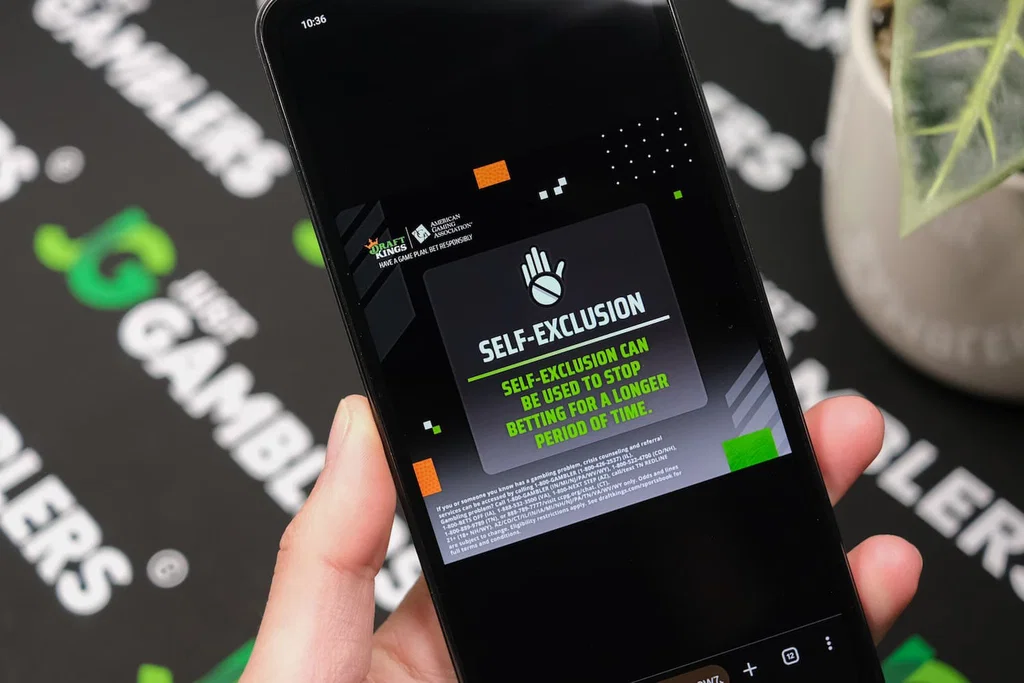
Responsible gaming tools are also a sign of a safe platform. Many licensed casinos allow players to set deposit limits, take breaks, or self-exclude if needed. For example, some platforms let you cap your daily spending at $100 or less. Research shows that players who use these tools are less likely to develop harmful gambling habits, making them an important feature for long-term safety.
Even with all these protections, it’s important to remember that gambling always involves risk. Statistics show that most casino games have a house edge ranging from 1% to 5%, meaning the odds favor the casino over time. This is why it’s important to treat online gambling as entertainment, set a budget, and avoid trying to recover losses.
In simple terms, online casinos can be safe if you choose licensed platforms, check security features, and stay aware of risks. With the right approach, you can enjoy the experience while protecting your money and personal information.
:::
Would you like me to optimize this for SEO or add headings for a blog post layout?
firesevens
Where Can You Play WPT Global? Supported Countries & Platform Highlights
11 best poker apps and games for Android
Is Online Casino Payment Safe? USA Casino Payment Protection Security Tools and Login Safety
What Is a Casino Chargeback? The Truth About Reversing Gambling Payments
Best Online Casinos for Real Money: Safe Licensed and Trustworthy Options
Use WPT Global Passport Dollars to Enter Triton High-Stakes Events
WPT Global Casino: A Fun-Filled Adventure
Do Online Casinos Pay Real Money?
Are Online Casinos Safe to Use? 7 Critical Safety Checks for 2026
Can Online Casinos Be Trusted? The Honest Truth
firesevens
Paulius Plausinaitis Wins GGMillion$ SHR for $315054
Top 5 Online Casinos of 2025: Where to Play and Win Big
WPT Globals New Welcome Bonus: Up to $3580 in Rewards
How to Download Register and Master WPT Global: 2025 Ultimate Guide
Are Online Casinos Real or Fake?
What is Hyper Dash in WPT Global?Dive into Quick Thrilling Poker Action!
Doug Polk Faces Backlash Over Playing in His Own Tournaments at The Lodge
Online Gambling in the US: What Happens If You Get Caught?
Who Regulates Online Casinos in the US?
Is Online Casino Payment Safe? USA Casino Payment Protection Security Tools and Login Safety
fire sevens casino
Use WPT Global Passport Dollars to Enter Triton High-Stakes Events
Online Casino Payment Security USA FAQ: Safe Payments Casino Protection and Login Safety
WPT Global Bonus Terms: Cashing In Made Simple
パチスロライターの年収はどれくらい?
スロット 勝率の高い機種 最新ガイド
WPT Global Tournament Schedule 2025
The Daily Prime Tournaments from WPT Global
WPT Global Cow Boy:A Players Perspective
2025年2月パチンコ新台爆誕!冬ソナ復活でホール熱狂
Do Casinos Offer Security?
firesevens
Shevliakov’s Comeback Wins Million-Euro Prize! How Did an Amateur Shock Everyone at the EPT Monte Carlo?
One Shot – Freezeout Tournament by WPT Global
Who Regulates Casinos in the USA? Complete 2026 Guide
スロット勝者の特徴を徹底解説
Online Casino Payment Security USA FAQ: Safe Payments Casino Protection and Login Safety
Most Secure Online Payment System
Most Trusted Online Casino: How to Choose Safely
Is Online Casino Payment Safe? USA Casino Payment Protection Security Tools and Login Safety
What is a Rake Chase?
How Online Casinos Process Payments Explained
firesevens
【2026年最新】スマスロ新機種一覧!今打つべき東京リベンジャーズ他3選
2026年4月導入スロット最新機種まとめ — 神機登場と爆裂期待
スロット 勝率の高い機種 最新ガイド
Online Gaming Risks: What Players and Parents Should Know
Payment Options at EVERYGAME Poker: Quick and Easy Transactions
Most Trusted Online Casino: WPT Global
Doug Polk Faces Backlash Over Playing in His Own Tournaments at The Lodge
Is Online Gambling Safe in Canada?
Are Online Casinos Legal in the USA? 2026 State-by-State Truth
WPT Global Million Sunday Hyper PKO Showdown: Event Details & Guide
Here is a clearer, more data-driven, SEO-structured rewrite with simple language and strong readability.
Do Casinos Offer Security? Casinos are designed to be safe environments, and they invest heavily in security to protect both guests and money. A large casino can handle millions of dollars in transactions daily, so security is not optional—it is essential. For example, major casino operators like those in Las Vegas or Singapore’s Marina Bay Sands use layered security systems that combine technology, trained staff, and strict procedures to prevent crime and ensure smooth operations.
Online Gambling in the US: What Happens If You Get Caught?
fire sevens casino
パチスロ歴代トップ機種ランキングの真実と最新動向
WPT Prime Championship Returns with Jereld Sam Shining
2025年スロット導入台数は6.3万台|市場動向を解説
Are Online Casinos Real or Fake?
How to Check If an Online Casino Is Legit: Quick Verification Guide
How Online Casino Payment Security Works in the USA
2025年パチスロメーカー売上ランキングTOP5!SANKYOが2年連続1位で約10万台販売
WPT Global Million Sunday Hyper PKO Showdown: Event Details & Guide
スロット勝者の特徴を徹底解説
2025年2月パチンコ新台爆誕!冬ソナ復活でホール熱狂
firesevens casino
FireSevens Casino Games: Slots RTP Volatility and Bonus Features Explained
Can I Play Real-Money Online Casinos in the USA? A Simple State-by-State Guide
Get Your Money Back from Online Gambling: Practical Refund Guide
What Is a Casino Chargeback? The Truth About Reversing Gambling Payments
【2026年7月】パチンコ新台13機種完全一覧!7月6日注目機種は必殺仕事人Ⅵ
パチンコ屋全国1位は沖縄!稼働率77.2%の最強ホールの正体
Top 5 Online Casinos of 2025: Where to Play and Win Big
FireSevens Casino Review: Is Fire Sevens Legit and What Should Players Check?
Top Online Poker Tournaments to Watch and Play in 2025
Online Casino Welcome Bonus No Deposit 2025
Online gambling in the United States is treated very differently depending on whether you are the player or the operator. At the federal level, the law mainly targets businesses or organizers that run illegal online gambling sites or accept payments for unlawful bets. Individual players who place bets on unlicensed sites are usually not a top priority for law enforcement, but they still face potential legal risk if they break state or federal rules.
Do Online Casinos Pay Real Money?
firesevens
Do Online Casinos Really Pay Out Real Money?
Can a Casino Give Your Money Back?
Payment Options at EVERYGAME Poker: Quick and Easy Transactions
Is This Online Casino Legit? 8 Safety Checks Before You Deposit
Is Online Casino Risky? What You Need to Know Before You Play
No-KYC Casinos: How Verification Works in 2026
Shevliakov’s Comeback Wins Million-Euro Prize! How Did an Amateur Shock Everyone at the EPT Monte Carlo?
Everygame Poker Review: Your Guide to Online Poker
What role did roulette play in popular culture such as movies and literature?
Bitstarz no deposit bonus up to 5 BTC and 200 free spins
firesevens
2025年パチスロメーカー売上ランキングTOP5!SANKYOが2年連続1位で約10万台販売
WPT Global: The Premier Choice for Poker Players
How to Check If an Online Casino Is Legit: Quick Verification Guide
2025年2月パチンコ新台爆誕!冬ソナ復活でホール熱狂
Payment Options at EVERYGAME Poker: Quick and Easy Transactions
2025年10月激アツ!スロット新台完全攻略
2025年最強パチンコ台ランキング!東京喰種がNo.1に輝いた理由
WSOP USA Top 8 FAQ
Can You Dispute Casino Transactions? Know Your Rights
Do Online Casinos Really Pay Out Real Money?
Here is your revised, SEO-optimized, reader-friendly article with structured headings and clearer data points.
:::writing
Do Online Casinos Pay Out Real Money? Online casinos do pay real money, but only when you play on legitimate and licensed platforms. According to industry reports, the global online gambling market surpassed $90 billion in 2025, with millions of verified payouts processed daily. Trusted casinos generate revenue through built-in house edges (typically 2%–10%), which allows them to consistently pay winners while remaining profitable.
Is Online Casino Removed from GCash?
fire sevens casino
Top Online Poker Tournaments to Watch and Play in 2025
パチンコの95000発規制とは?コンプリート機能を解説
Safest Online Casinos: License Fairness & Trust
2025年7月の勝ち筋と新台動向を徹底解説
Who Regulates Casinos in the USA? Complete 2026 Guide
How to Win at Online Slots in 2025 with WPT Global
firesevens
Safest Online Casinos: License Fairness & Trust
How to win at slots Tricks to improve your odds
How Casinos Catch Suspicious Transactions: The Shocking Truth
The Thrilling Race for WPT Season 22 Player of the Year at Wynn Las Vegas
What Is a Casino Chargeback? The Truth About Reversing Gambling Payments
Are Casinos Obligated to Pay You? Know Your Rights
WPT Global Bonus Terms: Cashing In Made Simple
Who Has the Most WSOP Bracelets?
$20 Casino Method Explained
Which Countries Can Play WPTGlobal in 2024?
Is Online Casino Removed from GCash? Yes, GCash removed online casino access from its in-app gaming features. GCash said it would stop access to online gambling through GLife starting at 8:00 p.m. on August 16, 2025, and its help page confirms that gaming access was removed in compliance with a Bangko Sentral ng Pilipinas directive.
What Changed in GCash GCash no longer shows the old gaming links inside the app, so users cannot use GCash as a direct entry point to online casino sites.
When and where was the game of roulette first played?
firesevens casino
スロット 勝率の高い機種 最新ガイド
ACH Casinos in the US
パチンコ新台はなぜ出る?
Is Online Casino Payment Safe? USA Casino Payment Protection Security Tools and Login Safety
What are some famous roulette scandals and controversies throughout history?
2025年最強パチンコ台ランキング!東京喰種がNo.1に輝いた理由
Fire Sevens Casino Explained: Games Accounts and How FireSevens Works
Use WPT777 Bonus Code to Claim Your Special Offer at WPT Global
WPT Global ¥110 CN¥ Million Sunday Hyper PKO Showdown
Most Trustworthy Online Casino
firesevens
WPT Global: The Premier Choice for Poker Players
Qualify for Red Dragon Poker Tour Jeju 2025 via WPT Global Satellites
WPT Global Now Title Sponsor For Triton Poker Super High Roller Series
Online Gambling in the US: What Happens If You Get Caught?
Can You Get Your Money Back From a Casino?
Should You Trust an Online Casino? 5 Safety Checks
2025 WSOP Explosion! New Formats + Huge Prizes Poker Players Must Not Miss It!
Safest Online Payment Method: Digital Wallets Win Big!
Who Has the Most WSOP Bracelets?
WPT Global Tournament Schedule 2025
When and where was the game of roulette first played? The game as we know it today first appeared in Paris in 1796, and quickly gained popularity throughout Europe, especially in the casinos of Monte Carlo. The addition of the zero by Francois and Louis Blanc in the mid-19th century helped to increase the house edge and make the game more profitable for casinos.
2025年パチスロメーカー売上ランキングTOP5!SANKYOが2年連続1位で約10万台販売
firesevens
No-KYC Casinos: How Verification Works in 2026
What were the original rules and betting options for roulette?
WSOP USA Top 8 FAQ
How Casinos Catch Suspicious Transactions: The Shocking Truth
How to Start Playing Online Poker in 2025: A Beginner’s Guide
How to Download Register and Master WPT Global: 2025 Ultimate Guide
How Online Casino Payment Security Works in the USA
Can I Play GGPoker in the US?
Most Trusted Online Casino: How to Choose Safely
What Is a Casino Chargeback? The Truth About Reversing Gambling Payments
firesevens
スロット 勝率の高い機種 最新ガイド
パチスロライターの年収はどれくらい?
A Woman’s Guide to Selecting the Perfect Sex Toy
Is an Online Casino Legit for Real Money?
Is Online Casino Removed from GCash?
Cory Zeidman Pleads Guilty to Sports Betting Fraud Scheme
2025年10月のパチンコ新台まとめ
2025年スロット導入台数は6.3万台|市場動向を解説
Can an Online Casino Keep Your Money? How to Protect Your Cash
How the $20 Rule at Casinos Works for Disciplined Betting
Real Money Online Casinos USA 2026: Top Sites That Actually Pay Out
firesevens casino
【2026年7月】パチンコ新台13機種完全一覧!7月6日注目機種は必殺仕事人Ⅵ
2025年10月激アツ!スロット新台完全攻略
WPT Global Million Sunday Hyper PKO Showdown: Event Details & Guide
WPT Prime Championship Returns with Jereld Sam Shining
Qualify for Red Dragon Poker Tour Jeju 2025 via WPT Global Satellites
パチンコ人口激減!過去最低の衝撃実態と減少の真の原因
What is TP in WPT poker?
一番稼ぐパチスロライターは誰?
Can You Get Your Money Back From a Casino?
Brazilian Rising Star Shocks Everyone by Winning Million-Euro Prize in Monte Carlo Poker World Welcomes a Super Dark Horse!
firesevens casino
Legit Online Casinos That Pay Real Money in 2026
How has technology influenced the game of roulette?
2025年7月の勝ち筋と新台動向を徹底解説
Is Online Casino Removed from GCash?
Phil Ivey Hosts Festive Meet-Up Game at Wynn Las Vegas This December
WPT Global Newest Promo: Ticket to Some Additional Play Money
How to Download Register and Master WPT Global: 2025 Ultimate Guide
Online Payment Security: Essentials for Safe Transactions
WPT Global vs GGPoker: Which Poker Platform Should You Choose in 2025?
パチンコ9万5000発規制はいつから?導入時期を解説
Yes, there are legitimate online casinos in the United States that pay real money, but they are only legal in 7 specific states: New Jersey, Michigan, Pennsylvania, West Virginia, Delaware, Connecticut, and Nevada. If you live in one of these states, you can sign up at licensed platforms like Caesars Palace Casino, BetMGM, FanDuel Casino, or DraftKings Casino and win real cash from slots, blackjack, roulette, and live dealer games. Players in these states withdrew millions in winnings in 2025, with top casinos offering payout speeds as fast as 24 hours via PayPal, bank transfers, or Visa.
Can You Win Real Cash at US Online Casinos in 2026?
fire sevens casino
Can I Play Real-Money Online Casinos in the USA? A Simple State-by-State Guide
Online Gambling in the US: What Happens If You Get Caught?
US Online Casinos That Pay Real Money
WPT Global: The Premier Choice for Poker Players
WPT Global Tournament Schedule 2025
Cory Zeidman Pleads Guilty to Sports Betting Fraud Scheme
パチスロ歴代トップ機種ランキングの真実と最新動向
11 best poker apps and games for Android
Top 5 Online Casinos of 2025: Where to Play and Win Big
一番稼ぐパチスロライターは誰?
fire sevens casino
US Gambling Laws: State-by-State Online & Casino Rules
2025年2月パチンコ新台爆誕!冬ソナ復活でホール熱狂
WPT Global vs GGPoker: Which Poker Platform Should You Choose in 2025?
2025年パチスロメーカー売上ランキングTOP5!SANKYOが2年連続1位で約10万台販売
How to Start Playing Online Poker in 2025: A Beginner’s Guide
大当たり確率1/99とは?99回転で当たる確率を解説
Eligible Countries for EVERYGAME Poker: Join the Action with bonus code
Can I Play GGPoker in the US?
パチンコの95000発規制とは?コンプリート機能を解説
【2026年7月】パチンコ新台13機種完全一覧!7月6日注目機種は必殺仕事人Ⅵ
Can I Play Online Casino Games for Real Money in the USA? Yes, you can play online casino games for real money in the USA, but it depends on your state. Seven states allow fully legal, regulated online casinos: Connecticut, Delaware, Michigan, New Jersey, Pennsylvania, Rhode Island, and West Virginia. In these places, popular sites like BetMGM or DraftKings let you play slots like Starburst, blackjack tables, or live dealer roulette with real cash prizes.
What Is a Casino Chargeback? The Truth About Reversing Gambling Payments
firesevens
Safest Online Casinos: License Fairness & Trust
WPT Global Bonus Terms: Cashing In Made Simple
Is Online Casino Safe? 7 Must-Know Facts Before You Bet
US Online Casinos That Pay Real Money
WPT Global Withdrawal Guide: Cashing Out Made Simple
パチンコ人口激減!過去最低の衝撃実態と減少の真の原因
Cory Zeidman Pleads Guilty to Sports Betting Fraud Scheme
Online Payment Security: Essentials for Safe Transactions
Martin Tsvetanov Wins Record-Breaking Eureka Main Event at EPT Prague
Which Countries Can Play WPTGlobal in 2024?
fire sevens casino
The Daily Prime Tournaments from WPT Global
No-KYC Casinos: How Verification Works in 2026
What are some famous roulette scandals and controversies throughout history?
How Casinos Catch Suspicious Transactions: The Shocking Truth
Can You Dispute Gambling Charges? Yes—When It’s Fraud or Unauthorized
WPT Global Cow Boy:A Players Perspective
What Happens If You Don’t Pay Casino Debt: Clear Guide
Can You Get Money Back After Losing at Casinos? The Truth Exposed
One Shot – Freezeout Tournament by WPT Global
Are Casinos Obligated to Pay You? Know Your Rights
What Is a Casino Chargeback? A casino chargeback is when a player asks their bank or credit card company to reverse a payment made to an online casino. Instead of asking the casino for the money back, the player contacts their bank and says, “I dispute this charge.” The bank then temporarily refunds the money and starts an investigation. For example, if
firesevens
Are Casinos Guaranteed to Make Money? Key Facts About the House Edge
大当たり確率1/99とは?99回転で当たる確率を解説
スロット設定1でも勝てる?機種選びと立ち回りのコツ
No Deposit Free Spins at WPT Global – Play Without Spending
Is Online Casino Safe? 7 Must-Know Facts Before You Bet
スロット勝者の特徴を徹底解説
How to Spot a Legit Online Casino: 7 Must‑Check Signs
Are Casinos Obligated to Pay You? Know Your Rights
New Rules for WSOP Paradise: Electronic Devices and Real-Time Assistance
Casinos Fight Chargebacks: What You Need to Know
firesevens
Casino Payment Protection and Regulation in the USA (FAQ)
US Online Casinos That Pay Real Money
What Happens If You Chargeback a Casino? The Shocking Truth
Will Casinos Refund Your Money? What Players Must Know
WPT Global Spring Festival: $7000000 Guaranteed Prize Pool
スロット設定1でも勝てる?機種選びと立ち回りのコツ
How to Download WSOP NV
US Gambling Laws: State-by-State Online & Casino Rules
How to win at slots Tricks to improve your odds
Top Online Casino Apps of 2025
firesevens casino
Golden Bounty Championship: Your Weekly Shot at $100K on WPT Global
Bitstarz no deposit bonus up to 5 BTC and 200 free spins
What is a Rake Chase?
パチンコ9万5000発規制はいつから?導入時期を解説
Can You Sue a Casino for Not Paying Out?
Online Payment Security Measures
How Online Casinos Process Payments Explained
Do Online Casinos Really Pay Out Real Money?
What are some famous roulette scandals and controversies throughout history?
パチンコ新台はなぜ出る?
firesevens
WPT Global Casino: A Fun-Filled Adventure
Do Online Casinos Really Pay Out in 2026?
大当たり確率1/99とは?99回転で当たる確率を解説
Qualify for the WPT Global Main Event via Low Buy-In Satellites
Real Money Online Casinos USA 2026: Top Sites That Actually Pay Out
What Happens If You Chargeback a Casino? The Shocking Truth
WPT Global: The Premier Choice for Poker Players
パチンコ人口激減!過去最低の衝撃実態と減少の真の原因
WPT Global Million Sunday Hyper PKO Showdown: Event Details & Guide
One Shot – Freezeout Tournament by WPT Global
FireSevens Casino – Games, Account Access & Player Info
Discover the real answer to whether banks refund gambling transactions. Learn when chargebacks work when they dont and the serious consequences of false gambling disputes.
Discover if online casinos are safe in 2026. Get 7 critical security checks including license verification SSL encryption KYC rules and certified games to protect your money and data from scams.
To download directly from the operator there are links on the site leading to download pages so you can use these to make things simpler and ensure you are getting the right app.
Here is a clearer, more data-driven, SEO-structured rewrite with simple language and strong readability.
Do Casinos Offer Security? Casinos are designed to be safe environments, and they invest heavily in security to protect both guests and money. A large casino can handle millions of dollars in transactions daily, so security is not optional—it is essential. For example, major casino operators like those in Las Vegas or Singapore’s Marina Bay Sands use layered security systems that combine technology, trained staff, and strict procedures to prevent crime and ensure smooth operations.
Online gambling in the United States is treated very differently depending on whether you are the player or the operator. At the federal level, the law mainly targets businesses or organizers that run illegal online gambling sites or accept payments for unlawful bets. Individual players who place bets on unlicensed sites are usually not a top priority for law enforcement, but they still face potential legal risk if they break state or federal rules.
Here is your revised, SEO-optimized, reader-friendly article with structured headings and clearer data points.
:::writing
Do Online Casinos Pay Out Real Money? Online casinos do pay real money, but only when you play on legitimate and licensed platforms. According to industry reports, the global online gambling market surpassed $90 billion in 2025, with millions of verified payouts processed daily. Trusted casinos generate revenue through built-in house edges (typically 2%–10%), which allows them to consistently pay winners while remaining profitable.
Is Online Casino Removed from GCash? Yes, GCash removed online casino access from its in-app gaming features. GCash said it would stop access to online gambling through GLife starting at 8:00 p.m. on August 16, 2025, and its help page confirms that gaming access was removed in compliance with a Bangko Sentral ng Pilipinas directive.
What Changed in GCash GCash no longer shows the old gaming links inside the app, so users cannot use GCash as a direct entry point to online casino sites.